


Traumatic Grief: Cognitive, Behavioral and Somatic Approaches
- Speaker:
- J. Eric Gentry, PhD, LMHC, DAAETS, FAAETS, CCTP
- Duration:
- 1 Hour 30 Minutes
- Language:
- Presented in EN, subtitles in EN and FR, handouts in EN and FR
- Format:
- Audio and Video
- Copyright:
-
Apr 30, 2021
- Product Code:
- POS058015
- Media Type:
- Digital Seminar

Description
Loss is hard. Grief is hard. The challenge of accommodating loss and mitigating the strong feelings of grief is difficult with any loss in our lives. However, it can be significantly compounded when the loss is traumatic and unexpected. Loss of a loved one to a traumatic experience such as an acute illness (e.g., COVID; heart attack; sepsis), an accident, a natural disaster, or human-caused circumstances can produce an outcome of “traumatic grief”. People who experience traumatic grief can rapidly cycle between experiences of acute and overwhelming grief to serious posttraumatic stress symptoms of intrusion, avoidance, distorted perception and heightened arousal. Without intentional treatment designed to address both the grief and trauma simultaneously—just like we have learned is necessary with a co-occurring substance use disorder and traumatic stress—there is the possibility of the loss metastasizing into hard-to-heal complicated bereavement and PTSD. This short program provides early intervention skills for clinicians to help their clients effectively address loss/grief simultaneously with posttraumatic stress symptoms in a simple, relationally driven, cognitive-behavioral-somatic process that catalyzes safe expression and externalization of grief while lessening posttraumatic stress symptoms. All these skills are easily adapted into a telehealth delivery. This is an excellent course for those clinicians working with survivors who have lost a loved one to COVID-19.
Credit
Speaker
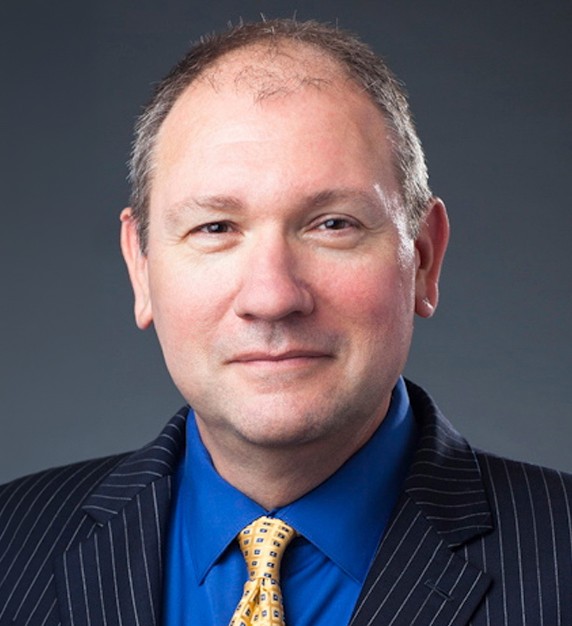
J. Eric Gentry, PhD, LMHC, DAAETS, FAAETS, CCTP Related seminars and products
Compassion Unlimited
J. Eric Gentry, PhD, LMHC, DAAETS, FAAETS, CCTP, is an internationally recognized leader in the study and treatment of traumatic stress and compassion fatigue. His PhD is from Florida State University where he studied with Professor Charles Figley – a pioneer of these two fields. In 1997, he co-developed the Accelerated Recovery Program (ARP) for compassion fatigue – the world’s only evidence-based treatment protocol for compassion fatigue. In 1998, he introduced the Certified Compassion Fatigue Specialist Training and Compassion Fatigue Prevention & Resiliency Training. These two trainings have demonstrated treatment effectiveness for the symptoms of compassion fatigue, and he published these effects in several journals. He has trained over 100,000 health professionals over the past 20 years.
He has written numerous chapters, papers, and peer-reviewed journal articles in the areas of traumatic stress and compassion fatigue. Dr. Gentry is a Master Traumatologist with over 35 years of clinical experience with trauma, Complex PTSD, personality disorders, and dissociation.
He is the president and CEO of The Forward Facing® Institute and owner of Compassion Unlimited – a private psychotherapy, training, and consulting practice – in Phoenix, AZ.
Speaker Disclosures:
Financial: Dr. J. Eric Gentry maintains a private practice. He is the owner and President of Forward-Facing International, Inc., the Co-director of Community Crisis Support Team, and the CEO of Compassion Unlimited. Dr. Gentry has employment relationships with the AZ Trauma Institute, the Florida Center for Theological Studies, the Argosy University, the Webster University, and the University of South Florida State. He is a consultant and receives compensation. Dr. Gentry is a published author and receives royalties. He receives a speaking honorarium, book royalties, and recording royalties from PESI, Inc. He has no relevant financial relationships with ineligible organizations.
Non-financial: Dr. J. Eric Gentry is a member of the American Counseling Association, the American Academy of Experts in Traumatic Stress, and others. For a complete list, please contact info@pesi.com.
Additional Info
Program Information
Access for Self-Study (Non-Interactive)Access never expires for this product.
For a more detailed outline that includes times or durations of time, if needed, please contact cepesi@pesi.com.
Questions?
Visit our FAQ page at https://www.pesicanada.com/faq or contact us at https://www.pesicanada.com/contact-us
Outline
How does grief become “traumatic grief”? What are the signs and symptoms?- Perceived threat and the autonomic nervous system.
- Tasks of Mourning (Worden, 2015)
- In vivo exposure to lessen threat response and ameliorate traumatic stress symptoms
- Narrative + Relaxation to complete “Tasks of Mourning”
Objectives
- Articulate the etiological factors for Traumatic Grief.
- Identify signs and symptoms of Traumatic Grief.
- Utilize Worden’s “Tasks of Mourning” to conceptualize the navigation of treatment for all forms of bereavement: simple, complicated and traumatic.
- Utilize cognitive, behavioral and somatic techniques to lessen symptoms and enhance functioning for those suffering with Traumatic Grief.
Target Audience
- Counselors
- Social Workers
- Marriage and Family Therapists
- Psychologists
- Psychiatrists
- School Counselors
- School Psychologists
- School Social Workers
- Case Managers
- Addiction Counselors
- Pastoral Counselors
- Chaplains/Clergy
- Psychiatric Nurse Practitioners
- Mental Health Nurses
- Thanatologists
Reviews
Satisfaction Guarantee
Your satisfaction is our goal and our guarantee. Concerns should be addressed to info@pesicanada.com.
Please wait ...