



Social Class in Therapy: Understanding and Navigating Class Dynamics in Clinical Work
- Speaker:
- David Glick, EdM, LCSW
- Duration:
- Approx 6 hours
- Language:
- Presented in EN
- Copyright:
-
Nov 03, 2026
- Product Code:
- POS151004
- Media Type:
- Digital Seminar - Also available: Live Webinar

Description
- Identify how social class shapes client identity and presenting problems
- Recognize social class transference and counter-transference in session
- Techniques for preventing class-based inequality in your practice
Social class profoundly shapes a client’s inner life, yet it’s one of the areas clinicians are often not trained to recognize.
It influences how clients experience authority, whether they trust you enough to be honest, and how quickly they disengage when they feel managed rather than understood.
When class dynamics go unrecognized, clients may appear resistant, guarded, or “not ready for therapy” when an unseen class-related rupture in the therapeutic relationship is at play. Without recognizing these dynamics, therapists can unintentionally reinforce the very power dynamics they’re trying to address.
Recognizing class dynamics doesn’t just deepen your understanding of clients – it can transform the therapeutic relationship. When clients feel seen in the context of their social class, trust deepens, ruptures become easier to repair, and the therapeutic relationship grows stronger.
In this training, David Glick, EdM, LCSW, draws on nearly two decades of clinical practice to explore social class as its own cultural system and demonstrate how recognizing class dynamics can strengthen the therapeutic alliance.
You’ll learn to:
- Identify class-based transference and countertransference
- Navigate class-related power dynamics in clinical work
- Understand the unique challenges faced by clients who move between social classes
- Use code-switching as a deliberate clinical skill
Leave with practical tools for recognizing and navigating class dynamics in your clinical work.
Purchase today!
Credit
Speaker
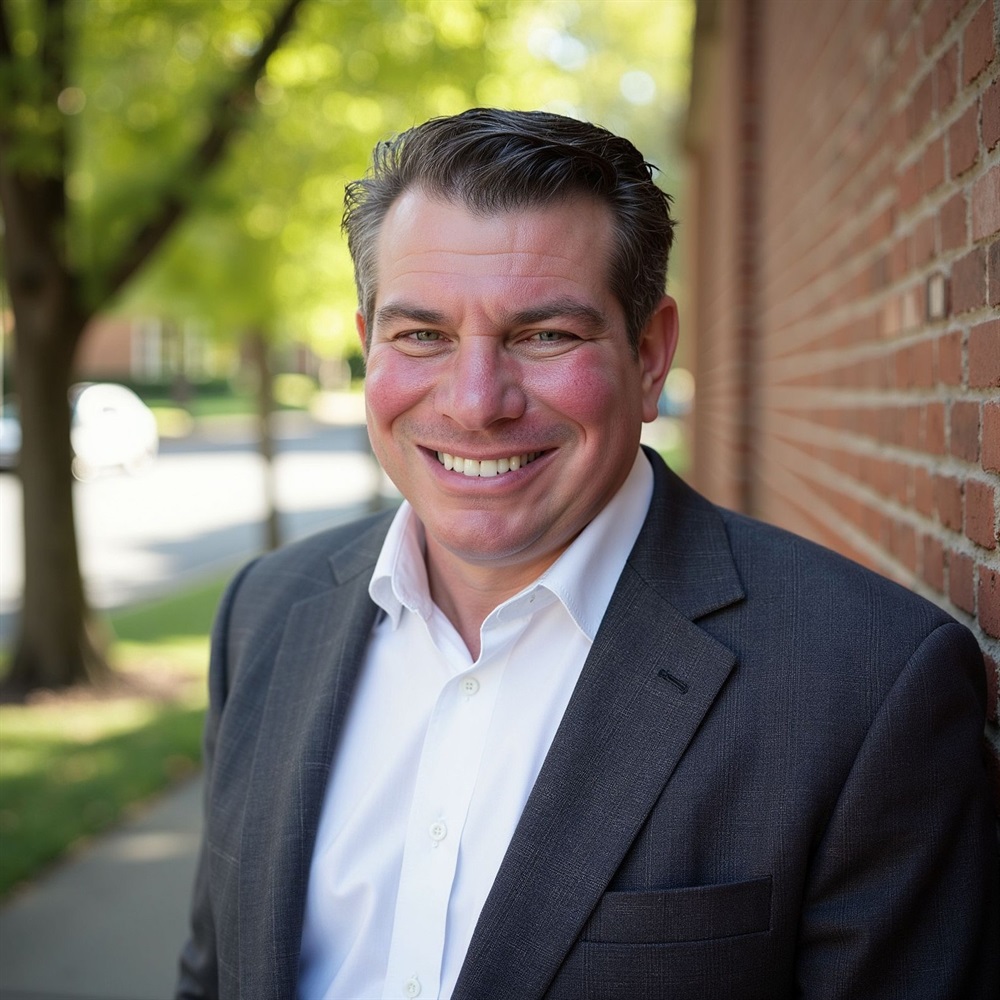
David Glick, EdM, LCSW Related seminars and products
David Glick, EdM, LCSW, is a licensed clinical social worker and certified employee assistance professional with extensive experience in trauma-informed care and law enforcement psychology. He is the founder of Triad Psych, PC, a practice dedicated to advancing mental health education, expert witness testimony and clinical excellence. David served as a DEA area clinician for 19 years and provides on-call support for the FBI’s Atlanta Field Division, offering critical expertise in high-stakes environments.
With a national reputation as a dynamic speaker, David has lectured widely on topics including trauma, personality disorders, and police psychology, equipping mental health professionals with practical strategies for complex clinical challenges. His unique perspective bridges clinical theory with real-world application, making him a trusted resource for clinicians working in demanding and high-risk settings.
Speaker Disclosures:
Financial: Dave Glick is an on-call and clinician with the FBI and maintains employment relationships with the Georgia Peace Officer Standards and Training Council, the Office of National Drug Control Policy, and Triad Psych, PC. He also receives a speaking honorarium from PESI, Inc. He has no relevant financial relationships with ineligible organizations.
Non-financial: Dave Glick is a member of the National Association of Social Workers.
Additional Info
Program Information
Questions?Visit our FAQ page at https://www.pesicanada.ca/faq or contact us at https://www.pesicanada.ca/contact-us.
Access for Self-Study (Non-Interactive)
Access never expires for this product.
For a more detailed outline that includes times or durations of time, if needed, please contact cepesi@pesi.com.
Objectives
- Determine the role of social class as its own independent culture and the avoidance of the topic in the US until now.
- Examine the concept of social class in isolation and convert it into a tangible form for application in therapy.
- Identify different codes of communication tied to social class and the role language patters play in class discrimination, conflict, and shame.
- Choose strategies that use code-switching to address imposter syndrome, social class cues, and client resistance in therapy.
- Apply Maslow’s hierarchy to help clients identify hidden barriers and develop strategies for overcoming them.
- Relate participants’ understanding of social class transference for practical application beyond the clinical setting, including organizational, community and business contexts.
Outline
Unpacking Social Class in Therapy: Understand What’s Been Overlooked
- A personal journey of recognizing social class dynamics
- How social class shapes identity and interactions across America
- Why academia and psychiatry often avoid discussing class
- The role of pop culture in shaping therapeutic narratives
- Existing research and evolving perspectives
Understanding Social Class: Models, Mindsets, and Real-World Impacts
- Traditional and emerging frameworks for social class versus racial and ethnic dynamics
- Government classification of social class groups versus lived experience
- How social class shapes psychology, orientation, and personality in working-class clients
- The struggles of those straddling two social classes
- How political and cultural shifts are reshaping class identity
Social Class in Marital Counseling: Navigate Power, Identity, and Class
- Address domination, autonomy, and self-actualization struggles in couples
- Unpacking scripts, tapes, and class-based expectations within families
- Navigate hidden tensions and social class masking in intermarriage
- Elder care conflicts shaped by class differences
The Straddler on the Couch: Empower Clients to Overcome Social Class Barriers
- Break through social class barriers to reach self-actualization
- Help clients recognize masked roots and reconnect with their true self
- Identify class bias through the ”family echo chamber”
- Tips for common complaints (materialism, lack of mentors, and family pressure)
- Frameworks for guiding clients to empathy, better decisions, and balance
Clinical Approaches for Navigating Social Class in Therapy
- Leveraging social class to strengthen the therapeutic alliance
- Domination as a bond in transference and countertransference
- Help clients reclaim agency through extreme empowerment
- Adapting communication through code-switching
- Physical movement to reinforce psychological shifts
- Limitations of the research and potential risks
Target Audience
- Counselors
- Social Workers
- Psychologists
- Case Managers
- Psychotherapists
- Marriage and Family Therapists
- Other Mental Health Professionals



Reviews
Satisfaction Guarantee
Your satisfaction is our goal and our guarantee. Concerns should be addressed to info@pesicanada.com.
Please wait ...